
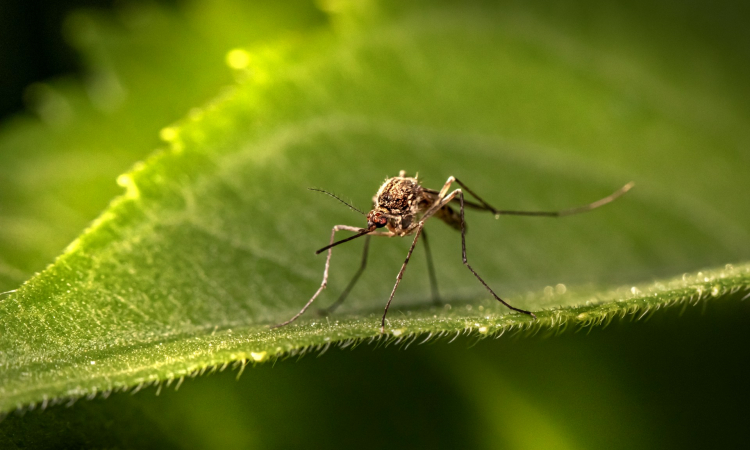
Mount Elgon lies on the border of Uganda and Kenya. Malaria transmission in this region is influenced by the climate, altitude, and human activity.
The highest risk of malaria is in the lower altitude areas such as Kitale in Kenya and Mbale in Uganda, which are main access towns to the park. These places are at about 1,500 to 2,000 meters above sea level and have a high annual risk of malaria.
As you climb higher into the park, the risk becomes low because mosquitoes cannot breed in cold temperatures. At altitudes above 2,500 meters, transmission is rare, though mosquitoes can sometimes be carried up by wind or vehicles.
Rainfall in the park creates stagnant water, which serves as breeding grounds for mosquitoes. The wet seasons between April to May and September to November, together with warm temperatures, increase malaria transmission.
However, the disease can occur throughout the year. Symptoms include fever, nausea, headache, fatigue, and body pain, usually appearing after about seven days. Malaria is dangerous, so seek medical attention immediately if you notice these signs.
There is no vaccine for malaria, but you can reduce the risk by following preventive measures. Carry insect repellent with 20-50% DEET, wear long-sleeved shirts, trousers, socks, and closed shoes to avoid bites, especially in the morning and evening. Sleep under a treated mosquito net, which is provided in most lodges, and close windows early.
Before traveling, consult your doctor for anti-malarial medication such as doxycycline or atovaquone. These should be started about four weeks before travel and continued during and after your safari. Pregnant women are at higher risk and should take extra precautions.
The best time to visit Mount Elgon is in the dry months of June to August and December to March, when the risk of malaria is lower. Still, malaria can occur at any time of the year.
Travelers must take preventive steps seriously, as Mount Elgon remains a malaria risk area.


