
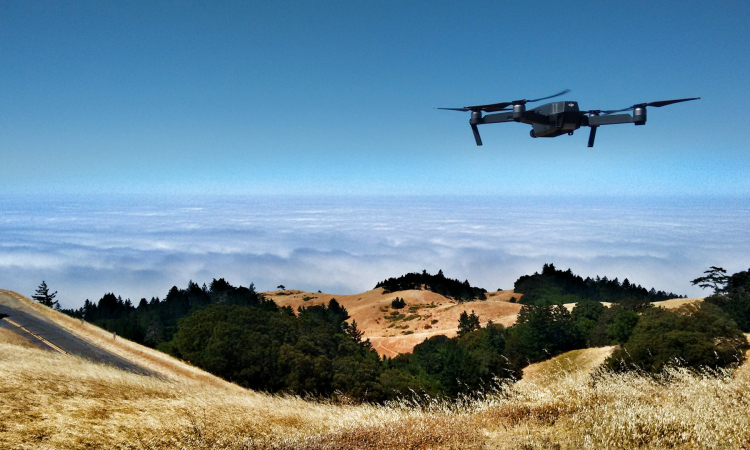
The use of drones is a new technological development in Mount Elgon National Park. Drones provide a new way of viewing the park and make the study of wildlife behavior and habits easier.
They are equipped with high-resolution cameras that capture clear pictures and videos. This helps in monitoring wildlife populations, controlling poaching, and carrying out surveys in the park.
One of the main advantages of drone technology is that they can reach steep and hard-to-access areas of the park, which supports research and tourism activities. Drones are mostly used by researchers, filming companies, and wildlife authorities.
It is important to note that using drones in Mount Elgon requires legal approval. Permission must be obtained from the Uganda Wildlife Authority, which manages all national parks, and the Civil Aviation Authority, which regulates aircraft.
A drone permit in Uganda costs about UGX 250,000. This fee is paid to the Uganda Civil Aviation Authority after getting approval from the Uganda Media Council and other relevant offices.
The rules for flying drones in Mount Elgon include: keeping the drone within your visual line of sight, flying at or below 400 feet, flying only during daylight, keeping the speed under 100 mph, giving way to other aircraft, not flying directly over people unless they are part of your filming, not flying from a moving vehicle, and avoiding areas within 5 km of a no-fly zone.
Failure to follow these rules can result in confiscation of the drone or even imprisonment.
Despite the many benefits, drones also bring challenges. They require skilled training to operate and the use of good cameras to get quality results. In addition, drones can disturb wildlife. The noise and presence of drones can stress animals and interfere with their natural behavior.
In conclusion, the use of drones in Mount Elgon shows progress in conservation and park management, though it must be done responsibly to balance technology and wildlife protection.


